

The Trump Organization's recent federal court success demonstrates the continued effectiveness of Schedule A litigation as a powerful tool for trademark enforcement. On July 25, 2025, The Trump Organization LLC and its IP holding company DTTM Operations LLC filed a comprehensive trademark infringement lawsuit in the U.S. District Court for the Middle District of Florida, securing swift judicial relief that highlights key advantages of this litigation strategy.
What is Schedule A Litigation?
Schedule A litigation allows brand owners to sue numerous online sellers simultaneously for counterfeit or infringing sales. Defendants are typically listed in a sealed exhibit called "Schedule A," enabling swift action before targets know about the lawsuit. This approach has become essential for combating the explosion of online counterfeiting across e-commerce platforms.
By consolidating multiple infringers in a single case, brand owners can obtain ex parte court orders—usually Temporary Restraining Orders (TROs)—to freeze seller accounts, remove infringing listings, and seize counterfeit goods. Rather than paying filing fees for each individual lawsuit (approximately $405 per case), plaintiffs pay once and can address hundreds of infringers together, creating dramatic cost savings while streamlining enforcement.
The Trump Organization's Comprehensive Crackdown
The Trump Organization's case targeted hundreds of anonymous sellers offering unauthorized merchandise across Amazon, eBay, Walmart, AliExpress, DHgate, and Spreadshop. The complaint alleged these sellers offered "inferior imitations" of Trump-branded merchandise—hats, T-shirts, flags, mugs, bumper stickers, and novelty items—designed to mislead consumers into believing they were purchasing official products.
Many of these knockoff products traded on Donald Trump's political persona, featuring counterfeit MAGA hats and apparel with phrases like "Keep America Great," often designed with official-looking logos to mimic genuine campaign gear. The Trump Organization argued this flood of fakes "trades on the fame, incalculable goodwill" of the TRUMP brand while causing marketplace confusion and deception.
The court's response was notably favorable, granting an ex parte TRO and subsequently extending it for several weeks. This allowed the Trump Organization to freeze seller accounts and halt sales before defendants could respond. The company requested statutory damages of up to $2 million per infringement—the maximum allowed for willful counterfeiting under the Lanham Act—demonstrating the serious financial consequences of trademark violations.
Platforms responded swiftly to the litigation. Spreadshop voluntarily removed all Trump-related designs, emphasizing their action was a legal measure rather than political stance. The platform announced: "This decision is not about limiting your voice or viewpoints... It is a necessary response to enforce federal trademark law." This rapid compliance—even before any direct court order—illustrates how Schedule A litigation can mobilize both courts and platforms to protect IP rights effectively.
Key Advantages of Schedule A Strategy
Efficiency and Cost Savings: A single lawsuit consolidates numerous infringers, dramatically reducing legal costs compared to individual actions. Filing 100 separate lawsuits would cost $40,500 in court fees alone, versus approximately $405 total by combining them in one Schedule A case.
Speed and Strategic Surprise: Sealed filings and ex parte TROs prevent defendants from hiding assets or destroying evidence. Courts often grant TROs within days, compared to over a month under traditional procedures where defendants must be served and allowed to respond.
Broad Deterrent Effect: Large statutory damages and swift asset freezes create powerful deterrence against future counterfeiting. Even if many defendants default, the threat of multi-million dollar judgments sends a clear message to potential infringers.
Multi-Platform Enforcement: Court orders apply across multiple e-commerce platforms simultaneously, addressing the reality that sophisticated counterfeiters operate across various channels. A single TRO can compel Amazon, eBay, AliExpress, and other platforms to take down listings and freeze accounts in coordinated fashion.
Executive-Level Endorsement: The Trump Organization's use of this strategy—essentially an endorsement from a former U.S. President's business—demonstrates Schedule A litigation's mainstream acceptance and effectiveness for brand protection.
Addressing Controversies and Judicial Scrutiny
Schedule A cases have faced some criticism over procedural fairness and proper joinder of defendants. Courts increasingly examine whether unrelated defendants are inappropriately grouped together, and some judges have dismissed cases with weak factual connections between defendants.
Recent examples include Chicago judges dismissing cases where defendants were linked only by infringing the same trademark, without evidence of coordination or common enterprise. A trio of federal judges in Illinois issued decisions siding with Schedule A defendants largely on improper joinder grounds, including in a case against Toyota Motor Sales. Critics argue that surprise account freezes may unfairly impact small sellers alongside professional counterfeit rings, raising due process concerns.
However, the Middle District of Florida's willingness to grant and extend TROs in the Trump Organization case demonstrates that courts remain receptive to this approach when supported by strong evidence and proper legal foundation. Well-prepared cases with experienced counsel continue to achieve favorable outcomes, particularly when targeting clear-cut infringement rather than marginal cases.
Strategic Considerations for Brand Owners
Evidence Development: Success requires systematic documentation of infringement across multiple defendants and platforms. This demands robust monitoring capabilities and thorough evidence preservation showing clear trademark violations.
Proper Joinder: Courts scrutinize whether defendants are appropriately grouped together. Cases must demonstrate sufficient factual connections between infringers—such as common suppliers, coordination, or systematic counterfeiting operations—to justify consolidation.
Venue Selection: Different courts approach intellectual property litigation differently. The success in Florida's Middle District shows that courts nationwide are embracing this approach when properly executed, expanding options beyond the traditional Chicago hub.
Responsible Enforcement: Brand owners must target clear-cut infringers rather than innocent sellers, adhering to joinder rules and court guidelines to maintain judicial trust and avoid negative publicity.
The Broader Impact and Expanding Venues
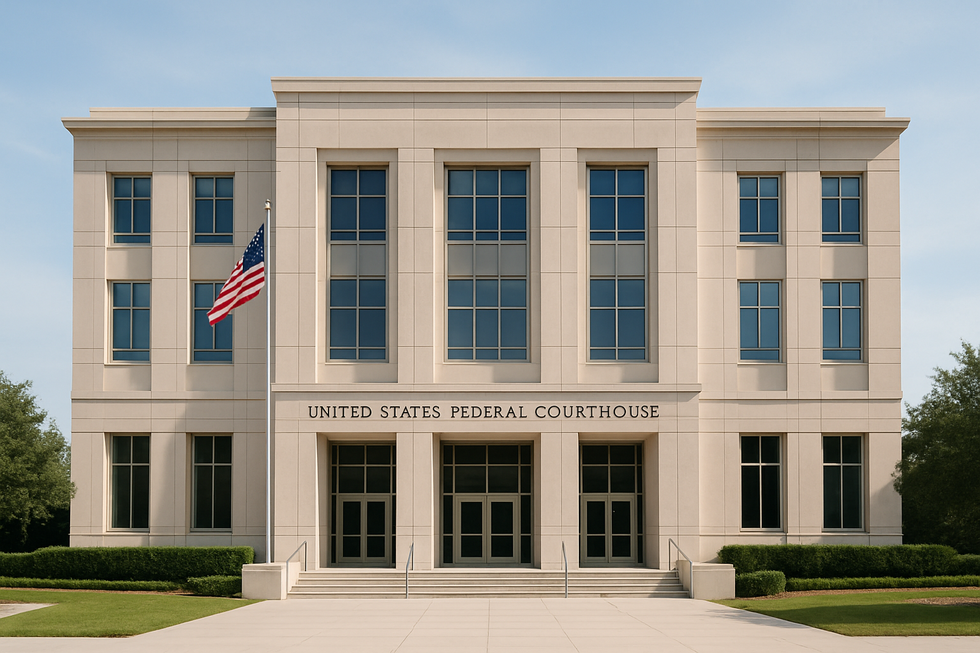
This case reflects the mainstream adoption of Schedule A litigation beyond its original concentration in Chicago's Northern District of Illinois. The success in Florida's Middle District shows that courts nationwide are embracing this approach when properly executed, providing strategic flexibility for brand owners.
The case also demonstrates how Schedule A litigation has evolved to address sophisticated global counterfeiting networks. As e-commerce continues expanding, this approach offers brand owners a scalable solution to protect intellectual property rights across multiple platforms and jurisdictions simultaneously.
For would-be infringers, these lawsuits send a clear message that brand owners are willing and able to enforce IP rights at scale. The high-profile nature of the Trump Organization's enforcement amplifies this deterrent effect, particularly in politically-charged merchandise markets where knockoffs might previously have operated under the radar.
Key Takeaways for Brand Owners
Mainstream Acceptance: The Trump Organization's successful deployment demonstrates that Schedule A litigation is now a mainstream, proven strategy for combating widespread online counterfeiting.
Venue Flexibility: Success beyond Chicago shows that strategic venue selection can be tailored to specific circumstances while maintaining effectiveness.
Preparation is Critical: Courts support robust trademark protection when cases are properly structured with compelling evidence of clear infringement and consumer confusion.
Professional Execution Required: The complexity of multi-defendant litigation, sealed filings, alternative service methods, and platform coordination demands experienced legal counsel familiar with Schedule A procedures.
Moving Forward
Schedule A litigation remains one of the fastest and most cost-effective methods for stopping online counterfeiters at scale. The Trump Organization's favorable outcome shows that courts continue supporting aggressive trademark enforcement when cases are properly structured and supported by compelling evidence.
For brand owners facing widespread online counterfeiting, this case provides a valuable template combining comprehensive evidence development, strategic legal arguments, and experienced counsel to achieve swift and effective trademark protection. The strategy's proven track record, now endorsed at the highest levels, makes it an essential tool for serious brand protection efforts.
Ford Banister has been at the forefront of Schedule A litigation since 2018, helping clients shut down thousands of infringing online sellers and securing significant damages. Our experience with these complex multi-defendant cases means we understand how to structure them for maximum effectiveness while avoiding procedural pitfalls. If your brand faces counterfeit challenges, Schedule A litigation can deliver decisive results.
Ready to explore Schedule A litigation for your brand? Call 212-500-3268 or complete our inquiry form to schedule your consultation with Ford Banister's experienced Schedule A litigation team. As your dedicated intellectual property attorneys, we're ready to enforce your rights and protect your brand today.

Comments
There are no comments for this post. Be the first and Add your Comment below.
Leave a Comment